Category: General

  • Mudik The Indonesian Culture Practice of Returning Home

    Mudik The Indonesian Culture Practice of Returning Home

    Mudik is a cultural tradition in Indonesia that involves traveling back to one’s hometown or village to celebrate the holidays with family and loved ones. This practice has been around for generations and is deeply ingrained in Indonesian culture. The journey home can be challenging, with millions traveling across the country, but it is essential to maintaining family connections and strengthening community bonds. This article will explore mudik’s history, significance, and modern-day practices.

    The Origins and Evolution of Mudik

    Mudik is believed to have originated from the annual pilgrimage to Mecca made by Indonesian Muslims during the 16th century. Over time, the practice evolved into an opportunity for families to reunite during the holidays. With the growth of cities and the rise of urbanization in the 20th century, mudik became more challenging, but it remains a beloved tradition.

    The Importance of Mudik in Indonesian Culture

    Mudik is an essential part of Indonesian culture, where family and community are central values. It is seen as a way to honor one’s roots, reconnect with loved ones, and strengthen bonds weakened by distance and time. People from all walks celebrate the tradition, symbolizing unity and togetherness.

    The Challenges of Mudik

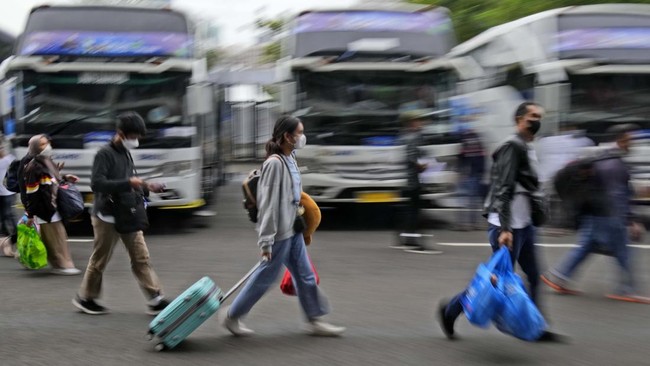
    Mudik is not without its challenges. The journey home can be long and arduous, with millions traveling across the country to reach their destinations. The high demand for transportation often leads to overcrowded buses and trains, causing delays and sometimes accidents. However, despite these challenges, people continue to journey home, demonstrating their deep connection to their families and communities.
    The Future of Mudik

    As Indonesia continues to modernize and urbanize, the future of mudik is uncertain. While the tradition remains strong, changes in technology and society have led to alternative ways of staying connected with loved ones during the holidays. Many people now opt to video call or send gifts instead of traveling home, and this trend is likely to continue. However, mudik will remain an essential part of Indonesian culture for those who still value the importance of face-to-face interactions and physical connections.

    The Impact of Mudik on Indonesian Society

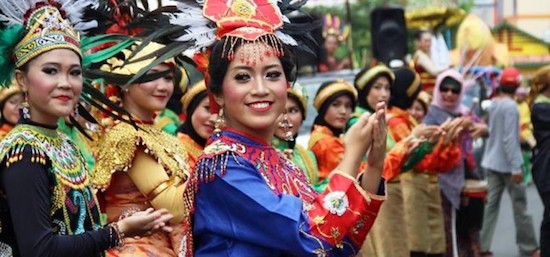
    Mudik has a significant impact on Indonesian society. The tradition boosts the economy, with increased demand for transportation and food during the holiday season. It also strengthens social bonds, promoting unity and togetherness across the country. Furthermore, mudik is an opportunity to showcase the diversity of Indonesian culture, with different regions and ethnic groups celebrating the holidays uniquely.

    The Changing Face of Mudik

    As mudik continues to evolve, it is taking on new forms. For example, some families now celebrate the holidays in their city of residence, creating a “mini-mudik” experience. Additionally, some people extend their stay in their hometowns, using the holiday to take a break from work and enjoy time with family. These changes demonstrate the adaptability of mudik and its ability to remain relevant in modern-day Indonesia.

    Mudik is a treasured tradition in Indonesia, representing the importance of family and community in Indonesian culture. Despite its challenges, millions of Indonesians journey home yearly to celebrate the holidays with their loved ones. As Indonesia continues to evolve, mudik will likely take on new forms, but its essence will remain the same – a time to honor one’s roots, reconnect with loved ones, and strengthen bonds weakened by distance and time.
  • Some Interesting Facts About Indonesia

    Some Interesting Facts About Indonesia

    Indonesia is a country that sees steady tourism increase in the past decade and more. Despite being the largest island country in the world, many people have never heard of the country at all. And some others had only ever heard about some parts of Indonesia. Let’s scratch a bit of the surface when it comes to some of the most interesting things this country is apparently known for.

    Indonesia is the producer of the most expensive coffee in the world 

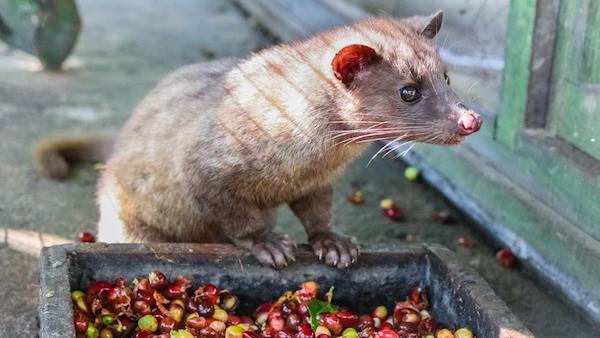
    The famed Luwak Coffee is a type of coffee that comes from poop. Civet’s poop, to be exact. This coffee comes from the fermented process it had gone through the civet’s digestive system. This type of coffee is thought to have “special” qualities to it and have been “improved” by these civets thanks to the selection process of the civets and the chemical and biological alterations of the coffee bean because of the civets’ digestion. 

    However, there has been some environmental concerns when it comes to the farming of these coffee beans. Some coffee plantations are found to be treating the civets badly. They don’t have optimum welfare. For instance, the diets of civets are highly varied. They are omnivores that eat insects and small mammals, mangoes, berries, and rambutan, among other things. However, in the coffee plantation, they are only fed coffee fruits. This is highly detrimental to their health as coffee fruits alone will not be able to meet their nutritional needs. 

    The average Indonesians are bilingual and multi-lingual

    Indonesia consists of hundreds of different ethnicities that have their very own distinct culture and languages that come with it. Let’s take Bali as an example. Most of the Balinese are bilingual, with Balinese and Bahasa Indonesia being the two languages taught simultaneously at home. Those from Java would speak Javanese, the people of Flores would speak their own ethnic language, and so on.

    Indonesia has the most impressive marine biodiversity in the world 

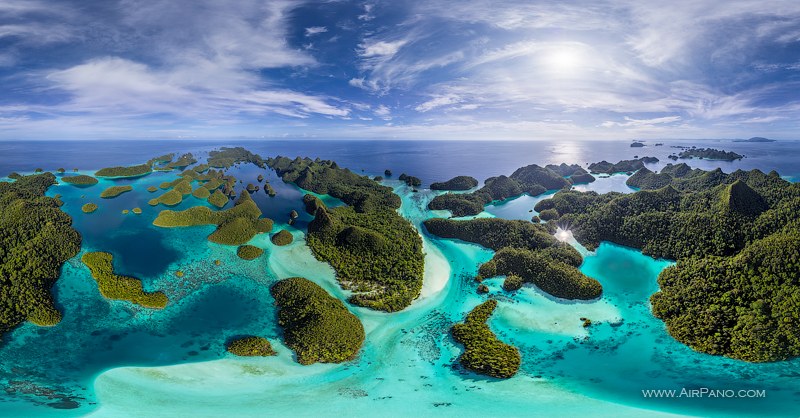
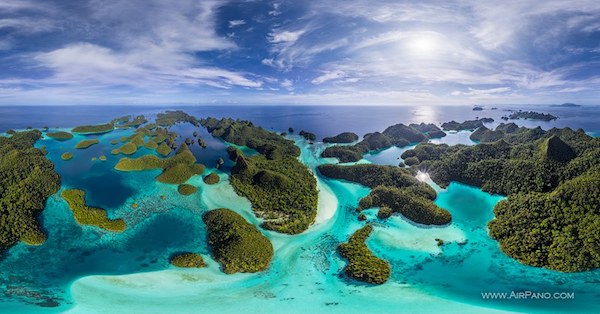
    While the Amazon forest topped the terrestrial biodiversity in the world, the marine biodiversity in Indonesia is unrivaled. Indonesia is a part of the legendary Coral Triangle. Coral Triangle is the term of only roughly 30% of the ocean area that has over 75% of the entire world’s underwater population. The seas of West Papua, Papua New Guinea, and Raja Ampat regency are included in the impressive marine biodiversity of the coral triangle. 

    Bali is an exception in so many ways 

    If you’ve only ever visited Bali, then you haven’t experienced Indonesia just yet. But then again, the same can be said with other islands. Java is an experience on its own, which is vastly different compared to the many highly populated island in Indonesia. Bali is going to be very different than, say, Lombok, even though the two are basically neighbors and they share the same ancestry and ethnicities. 

    Bali’s religious majority is Hindu, which is a huge exception from the rest of the country, which has a predominantly Muslim population. Your experience in Bali is going to be vastly different when it comes to virtually everything, especially concerning cultural aspects and ways of life. 

    Indonesia is the largest archipelagic country in the world 

    Indonesia inhibits such a large space, with thousands of islands that no one actually knows the exact count of. And we really don’t several studies done on how many islands in Indonesia led to several different results as well. Numbers that showed a large difference of results to each other.