
Category: Healthy & Beauty

  • The Importance of a Nourishing Morning Breakfast

    The Importance of a Nourishing Morning Breakfast

    Morning breakfast, often hailed as the most important meal of the day, sets the tone for our overall well-being and productivity. Despite our busy lives, taking the time to enjoy a nourishing morning breakfast can have profound effects on our physical and mental health. In this article, we will explore the significant reasons why breakfast holds a crucial place in our daily routine, highlighting its impact on energy levels, metabolism, and cognitive function.

    Fuel for the Day Ahead

    Breakfast provides the necessary fuel to kickstart our day. After a night of fasting, our bodies need energy to function optimally. A nutritious breakfast replenishes glucose levels, the primary source of energy for the brain and muscles. By providing this essential fuel, breakfast equips us to face daily challenges with vitality and focus.

    smile lady

    Enhanced Mental Performance

    A well-balanced breakfast has a direct impact on cognitive function. Studies have shown that individuals who regularly consume morning breakfast demonstrate improved memory, attention, and concentration levels. By nourishing the brain with nutrients and glucose, breakfast helps sharpen cognitive abilities, enhancing productivity and mental performance throughout the day.

    Healthy Weight Management

    Contrary to common belief, forgoing breakfast does not facilitate weight loss. In fact, it may have adverse effects on weight management. A nutritious breakfast kickstarts the metabolism, increasing calorie burn throughout the day. By fueling the body early on, breakfast reduces the likelihood of overeating later in the day, helping to maintain a healthy weight and prevent unhealthy snacking habits.


    Read more :

    Healthy Snacks You Should Bring for Travelling


    Nutrient Intake and Overall Health

    Breakfast serves as an excellent opportunity to ensure proper nutrient intake. A well-rounded breakfast that includes a variety of food groups such as whole grains, fruits, and lean proteins provides essential vitamins, minerals, and dietary fiber. This promotes overall health, supports immune function, and reduces the risk of chronic diseases such as diabetes and heart disease.

    Improved Mood and Well-being

    Starting the day with a satisfying breakfast has positive effects on mood and emotional well-being. Balanced meals that include protein and healthy fats help stabilize blood sugar levels, preventing mood swings and promoting a sense of satiety. A nourished body translates to a happier and more positive outlook, allowing us to approach the day with a greater sense of well-being.

    Family Bonding and Connection

    Breakfast can be an opportunity for family bonding and connection. Sharing a meal together in the morning fosters communication, strengthens relationships, and sets a positive tone for the day. By prioritizing breakfast as a family, we create a nurturing environment and establish healthy eating habits for our loved ones.

    Breakfast holds immense significance in our daily lives, contributing to our overall well-being and success. By making time for a nourishing breakfast, we fuel our bodies and minds, improve cognitive function, and promote healthy weight management. Furthermore, breakfast provides a platform for nutrient intake, supports emotional well-being, and enhances family connection. Embrace the power of breakfast and unlock its countless benefits to ensure a vibrant and fulfilling start to each day.

  • How to Stay Motivated to Exercise: Tips from Fitness Experts

    How to Stay Motivated to Exercise: Tips from Fitness Experts

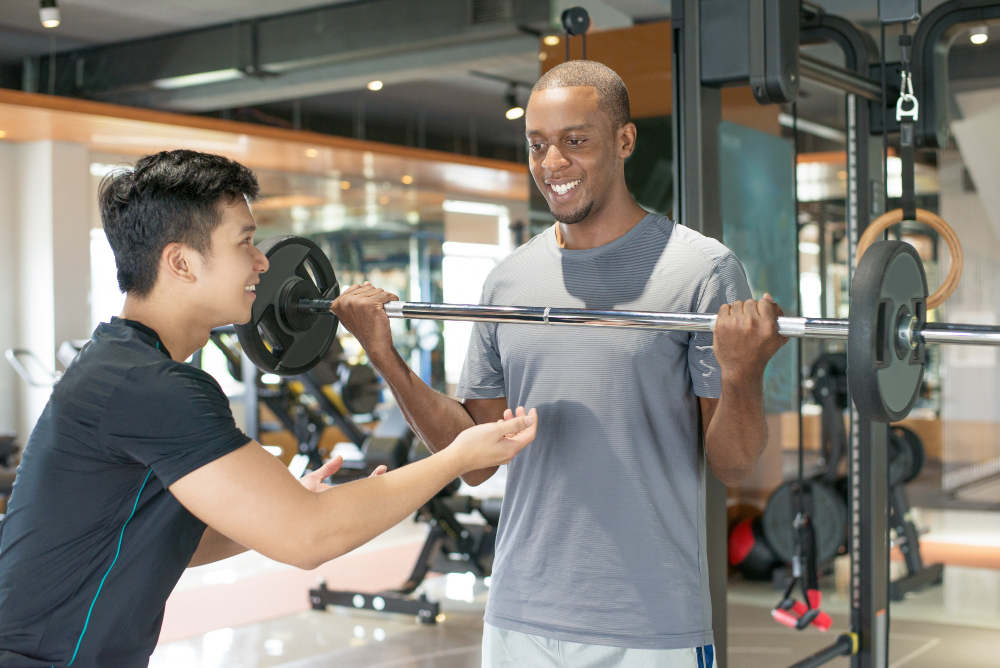
    Many of us know the importance of regular exercise for physical and mental health, but staying motivated and committed to a fitness routine can be challenging. Fortunately, fitness experts have shared tips and tricks for staying motivated and making exercise a regular part of our lives. This article will explore some of these tips and offer practical advice on staying motivated to exercise.

    Set Realistic Goals

    One of the keys to staying motivated to exercise is setting realistic goals. Instead of aiming for a drastic transformation in a short amount of time, set achievable goals that can be accomplished in a reasonable timeframe. This could be anything from increasing the steps you take each day to completing a 5k race. By setting achievable goals, you’ll be more likely to stick to your fitness routine and feel a sense of accomplishment as you reach each milestone.

    Find a Workout Buddy

    Workouts can be more pleasurable and accountable when done with a friend or family member. Locate someone who encourages frequent exercise and has similar fitness goals. This will not only make exercise more fun, but it will also provide a sense of accountability and support.

    Mix It Up

    The same training routine every day might get boring and exhausting. To stay motivated, mix up your workout routine and try new activities. This could include trying a new fitness, hiking, or dancing class. Not only will this keep your workouts interesting, but it will also challenge your body in new ways and prevent boredom.

    Track Your Progress

    Tracking your progress is a great way to stay motivated and see the results of your hard work. This could include keeping a workout journal, using a fitness tracker, or taking progress photos. You’ll see how far you’ve come and celebrate your achievements by tracking your progress.

    Reward Yourself

    Lastly, reward yourself for your hard work and dedication to your fitness routine. This might be anything from buying a new workout gear or treating yourself to a massage. You’ll be more likely to stay motivated and committed to your fitness goals by rewarding yourself.

    Staying motivated to exercise can be challenging, but it is possible with the right mindset and tools. By setting realistic goals, finding a workout buddy, mixing up your workout routine, tracking your progress, and rewarding yourself, you’ll make exercise a regular part of your life. Remember to be patient and kind to yourself along the way, and don’t forget to have fun!

  • How to stay safe on a flight with Coronavirus

    Vacations have resumed under the government’s traffic-light system, especially now that the quarantine for amber-list entrants who have been completely vaccinated has been lifted.

    As more people take to the skies in search of greener pastures, they may discover a radically different experience than in pre-Covid times.

    Measures aimed at limiting the spread of coronavirus have become commonplace, ranging from social separation and wearing masks at airports to limiting food on planes.

    But how risky is flying? Is there any way to ensure security? You’ll discover everything you need to know right here.

    What is the best way for me to go to the airport?

    There’s the getting to the airport part to consider before you even arrive at the airport.

    Traveling by car has a lower risk of coming into touch with new people – and thus a lower risk of coming into contact with coronavirus – than taking public transportation.

    Every means of transportation, in essence, has some level of risk. If contracting Covid-19 is your biggest fear right now, a car is definitely the best option. Be sure to wear a mask, keep the window open, and wash/sanitize your hands before and after catching a cab.

    What can I do to keep myself safe at the airport?

    New measures, such as social separation and required facial covers for passengers and workers, are now widely used at the airport.

    Although travelers commonly associate planes with diseases, the airport, which brings people from all over the world together, poses a considerably greater risk.

    The most crucial actions to take are to keep your distance from individuals outside your home:

    • wash your hands often or use hand sanitizer
    • wear a mask.

    There are alternative strategies to limit your contact with others:

    • checking in online
    • printing your boarding pass ahead of time.

    What can I do to stay safe on the plane?

    Onboard, the Department for Transport recommends passengers to stay seated as much as possible; follow crew instructions and suggestions; use contactless payment when feasible; be aware that food and drink service may be limited, and notify the cabin staff if you become ill.

    When not eating or drinking, most airlines will require you to wear a mask and will give hand sanitizer.

    If you’re flying short-haul, going to the bathroom right before boarding may help you avoid having to go while on the plane, which means less movement and a lower risk of coming into contact with a coronavirus carrier.